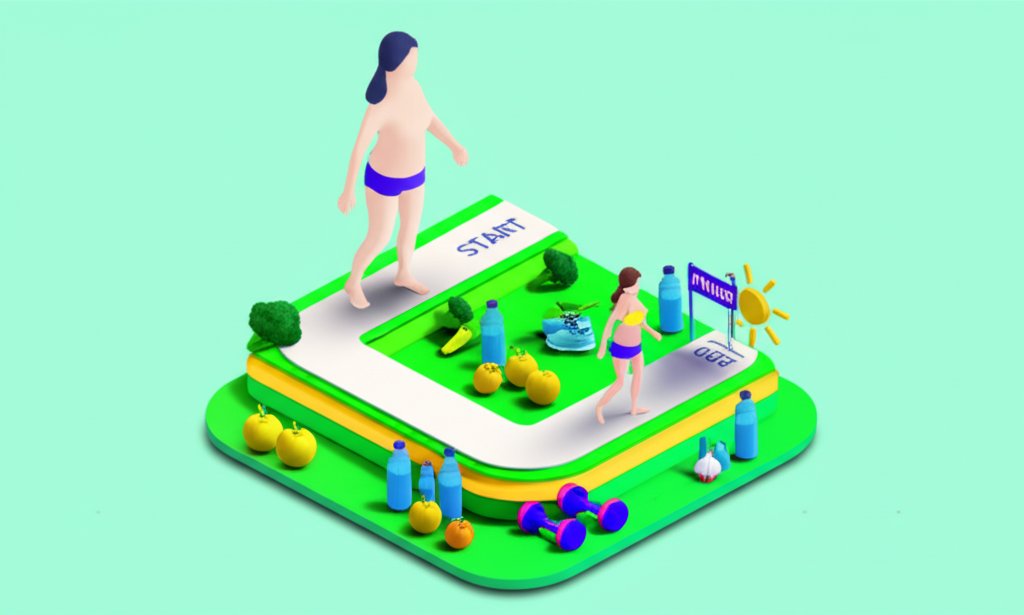
The striking power of weight loss motivation images isn't just in seeing a smaller number on a scale; it's in witnessing a profound transformation. These visuals, often before-and-after photos, encapsulate the dedication, resilience, and sheer grit required to rewrite one's health story. They speak to the possibility of change, regardless of past struggles or current age, serving as powerful reminders that dramatic journeys are within reach.
At a Glance: Harnessing the Power of Visual Motivation
- Understand the "Why": Motivation images work by tapping into emotional aspiration and tangible proof of effort.
- Craft Your Own Narrative: Learn how to create effective personal before-and-after and progress photos.
- Look Beyond the Scale: Focus on non-scale victories visible in your images, like improved posture or energy.
- Leverage External Inspiration: Responsibly draw motivation from others' dramatic success stories.
- Avoid Common Pitfalls: Understand how to prevent motivation images from becoming sources of comparison or shame.
- Build Sustainable Habits: Remember that true visual transformation stems from consistent, enjoyable lifestyle changes.
The Psychology Behind a Powerful Transformation Image
Why do we gravitate towards a compelling "before-and-after" picture? It’s more than just aesthetics; it's deeply rooted in human psychology. These images provide undeniable proof that significant change is possible, transforming abstract goals into concrete realities. For someone contemplating a weight loss journey, especially later in life, seeing someone else's visible success can dismantle limiting beliefs—the idea that it's too late, too hard, or physically impossible.
Many individuals, like Linda Migliaccio who lost 189 pounds after being denied knee surgery, or Ann Wulff who shed 207 pounds after three pregnancies, didn't just change their bodies; they transformed their lives. Their visible journeys, when documented, become beacons of hope. They show that dedicated, consistent effort, often focused on sustainable habits like those championed by experts prioritizing sleep, hydration, and nutrient-dense foods, truly pays off. These images bypass words and directly impact our subconscious, igniting a belief in our own potential.
Crafting Your Own Visual Journey: Beyond the Scale
While external images inspire, creating your own sequence of weight loss motivation images is perhaps the most potent tool in your personal arsenal. This isn't about vanity; it's about documenting your progress, celebrating non-scale victories, and staying accountable.
Taking Effective "Before" Photos
The "before" photo is your baseline, your starting point. It's not about judgment, but about honest assessment.
- Consistency is Key: Stand in the same spot, wear the same clothes (or similar, snug-fitting ones), use the same lighting, and take photos from multiple angles (front, side, back).
- Relaxed Posture: Don't suck in or pose unnaturally. Stand naturally to reflect your true starting point.
- Date Stamp: Always date your photos. This helps you track progress accurately.
Documenting Your Progress (and Your "After")
As you progress, continue taking photos every 4-8 weeks. These "progress" photos are crucial for maintaining momentum.
- Celebrate Small Wins: You might not see drastic changes initially, but subtle shifts in posture, muscle definition, or how your clothes fit can be incredibly motivating.
- Focus on Health Metrics: While the scale measures weight, your photos will capture improvements in body composition, energy levels (evident in your stance), and overall vitality. This aligns with the understanding that sustainable success, especially for those over 40, often comes from prioritizing nutrition, quality protein, healthy fats, and enjoyable physical activity, rather than quick fixes.
- Beyond the "After": The "after" photo isn't an endpoint. It's a milestone. Many successful individuals, like those highlighted in Inspiring weight loss success over 40, emphasize that transformation is an ongoing lifestyle. Your "after" photo simply marks a phase of significant achievement, inspiring you to maintain and refine your health.
Beyond the Perfect Pose: Daily Visuals That Fuel Progress
Motivation doesn't just come from dramatic before-and-after shots. It's also built on the everyday visual cues you create and consume. These small, consistent visual reminders reinforce your commitment and foster healthy habits.
Visualizing Success in Your Environment
- Food Prep in Action: Seeing a refrigerator full of vibrant, prepped fruits and vegetables, or healthy meals portioned out, is a powerful visual reminder of your nutritional commitment. People like Marsha Parker, who embraced green smoothies and lean protein, or Shamirum Benjamin, who shifted to more fruits and veggies, understood the visual impact of healthy food choices.
- Workout Gear Ready: Laying out your workout clothes and shoes the night before, or having your home gym (like the author who started P90X in their 40s) visible and ready, removes barriers and acts as a visual prompt.
- Progress Charts & Trackers: A physical wall chart tracking workouts, water intake, or non-scale victories provides a tangible, visual representation of your consistency.
Curating Your Digital Visual Environment
- Positive Feeds: Follow inspiring accounts on social media that promote healthy living, balanced nutrition, and realistic fitness journeys. Filter out content that triggers comparison or self-doubt.
- Digital Vision Boards: Create a digital album or Pinterest board filled with images that represent your ideal healthy self, fitness goals, and nourishing foods.
- Affirmation Wallpapers: Use a motivational quote or an inspiring image as your phone or computer wallpaper to keep your goals top-of-mind.
Leveraging Others' Journeys Responsibly
While creating your own visuals is paramount, drawing inspiration from others' weight loss motivation images can be incredibly uplifting. The key is to do so mindfully and without falling into the trap of unhealthy comparison.
How to Use External Motivation Images Effectively
- Focus on the "How": When you see a dramatic transformation, don't just admire the outcome. Dig deeper into how they achieved it. Did they prioritize consistent nutrition like Jenna Leveille (high protein, low carb) or use structured programs like Kimberly Brown (Nutrisystem)?
- Seek Relatability: Look for stories that resonate with your own challenges or age group. Many success stories involve individuals over 40, like Holly Wallis who started keto at 48 or Mike Bauler who transformed after a health scare in his family. Their journeys prove that age is not a barrier to significant change.
- Find Your Tribe: Online communities built around shared goals often feature daily inspiration from members. Witnessing collective progress can be a powerful motivator.
- Acknowledge the Journey, Not Just the Destination: Remember that behind every "after" picture is a long, often challenging "during" journey. Shamirum Benjamin's 151-pound loss took four years. Gwilym Pugh’s 93-pound transformation spanned five to seven years. It's the consistency over time, not a magic bullet, that creates these visible results.
Avoiding Pitfalls: What Not to Do with Motivation Images
While weight loss motivation images can be incredibly powerful, they also carry potential pitfalls if not approached mindfully.
- Unhealthy Comparison: Comparing your "before" to someone else's "after" can be demotivating. Remember everyone's journey is unique, with different starting points, genetics, and resources. Focus on your personal progress.
- Unrealistic Expectations: Be wary of images that promise rapid, effortless transformation. Sustainable weight loss is a gradual process built on consistent habits, as emphasized by many success stories who focused on diet, exercise, and patience.
- Body Shaming/Negative Self-Talk: Never use "before" photos as a tool for self-criticism. They are a record of where you started, not a judgment of your worth. Treat your past self with compassion.
- Ignoring the Mental/Emotional Journey: A physical transformation visible in an image is often a reflection of a deeper mental and emotional journey. For instance, Janice "JJ" Jobity addressed emotional eating, and Michael Lachowicz overcame addiction, before achieving their significant physical changes. The image is a symptom, not the sole cause, of well-being.
- Focusing Solely on Aesthetics: While visual changes are rewarding, true success encompasses improved health markers, increased energy, better sleep, and enhanced quality of life. An image captures only one aspect of this holistic change.
Practical Playbook: Implementing Visual Motivation
Here's how to integrate weight loss motivation images into your journey effectively:
- Set Your "Why": Before taking any photos, clearly define why you want to lose weight. Is it for energy to play with grandkids (Scott Leopold), improved health (Lexlee Hudson, Kristen McLaughlin), or simply feeling better in your own skin? Your "why" will infuse your images with deeper meaning.
- Schedule Photo Sessions: Make taking progress photos a routine, just like your workouts or meal prep. Every 4-6 weeks is a good cadence to capture subtle changes without obsessing.
- Choose Your Angles Wisely: Full body shots (front, side, back) in consistent lighting are most effective. Consider adding a photo doing an activity you want to improve (e.g., hiking, playing with kids) to show functional progress.
- Create a Dedicated Album: Keep all your motivation images in one easily accessible place—a physical album, a password-protected digital folder, or a private cloud album.
- Seek Non-Scale Victories (NSVs): Look for clues beyond weight loss:
- Clothing Fit: Do your clothes feel looser? Are you moving down sizes?
- Muscle Definition: Do you see more tone in your arms, legs, or abs?
- Posture: Are you standing taller, with more confidence?
- Energy Levels: Does your face look more vibrant, less fatigued?
- Movement: Are you bending easier, running further, or lifting more?
- Review and Reflect: Regularly look back at your "before" and earlier progress photos. This provides powerful visual proof of how far you've come and reinforces your commitment to the journey ahead. Many individuals, even those who lost significant weight like Jermaine Gause (303 lbs) or Katia Powell (170 lbs), relied on consistent self-monitoring and reflection.
Quick Answers: Common Questions About Motivation Images
Q: Should I share my motivation images publicly?
A: This is a personal choice. Sharing can provide accountability and support from others, but it also opens you up to external opinions. Many find success in private sharing with a trusted friend or coach, or within closed online groups. If you do share, protect your privacy and emotional well-being first.
Q: How do I stay motivated when I don't see quick visual changes?
A: Remember that weight loss isn't linear, and visible changes can sometimes lag behind internal progress. Focus on consistency in your healthy habits (nutrition, hydration, sleep, exercise) and trust the process. Revisit your "why" and remember that small, consistent steps lead to dramatic transformations over time, as seen in the multi-year journeys of individuals like Gwilym Pugh or Shamirum Benjamin.
Q: Can motivation images create body dysmorphia or an unhealthy obsession with appearance?
A: Yes, if not approached mindfully. The goal is self-improvement and health, not perfection or comparison. If you find yourself obsessing over minor flaws, or if images trigger negative self-talk, it’s a sign to step back. Shift your focus to functional goals (e.g., getting stronger, having more energy) and consult with a professional if concerns persist. Allie Ruby's journey, where she found greater happiness in strength than just thinness, is a powerful example of shifting focus from pure aesthetics to performance and well-being.
Your Visual Blueprint for Success
The journey to a healthier you is multifaceted, but the power of weight loss motivation images cannot be overstated. By consciously capturing your own transformation, you build an undeniable visual narrative of your resilience and progress. By responsibly drawing inspiration from others, you reinforce the belief that such dramatic journeys are not only possible but actively being achieved by people just like you, often defying ageist assumptions. Embrace these visual tools as a cornerstone of your motivation, guiding you towards lasting health and a life filled with energy and confidence.